In heavy industrial environments, cement, mining, pulp and paper, power generation, the demands placed on welded components are extreme. High heat, vibration, abrasion, and continuous load cycles all contribute to premature wear and unexpected failures. For maintenance managers and reliability teams, understanding how weld wear and material fatigue develop, and knowing when to intervene, is essential to avoiding costly downtime or catastrophic equipment failure.
This guide walks through the fundamentals of weld degradation, the science behind fatigue, how to recognize early warning signs, and the best practices for planning repairs and extending asset life in tough industrial environments.
Why Weld Wear Happens in Heavy Industry
Welds are often the strongest part of a structure, yet they’re also the most stressed. In high-demand environments, several factors accelerate wear:
- 1. Constant Vibration & Load Cycling
Equipment such as clinker coolers, conveyors, mills, and crushers generate continuous vibration. This repetitive stress initiates micro-cracks that grow over time.
- 2. High Temperatures & Thermal Expansion
Heat causes metal expansion, creating stress at welded joints. Repeated heating and cooling cycles can cause fatigue, especially in kilns, ducts, and furnaces.
- 3. Abrasion & Impact
In facilities handling raw materials, impact from stone, ore, dust, and particulates can eat away at weld surfaces faster than base metal.
- 4. Corrosion or Chemical Exposure
Moisture, corrosive byproducts, and airborne contaminants weaken weld integrity.
- 5. Poor Initial Workmanship
Incorrect filler metal, improper heat input, lack of penetration, or poor joint prep may lead to premature weld failure.
Understanding these drivers helps maintenance teams anticipate when and where weld wear is likely to occur.
Material Fatigue: What It Looks Like and Why It Matters
Material fatigue is the weakening of metal over time due to repeated stress. It’s a slow, silent process, but it’s responsible for many sudden failures.
Common signs of material fatigue include:
- -Hairline cracks that spread from weld toes or heat-affected zones
- -Discoloration or oxidation patterns near welds
- -Distortion or warping of welded structures
- -Localized thinning or pitting
- -Unusual vibration or noise from equipment under load
Even small defects matter. Fatigue cracks propagate unpredictably and accelerate rapidly once they reach critical size.
How to Spot Early Signs of Weld Wear
Routine inspection is the most effective way to prevent major failures. Maintenance teams should be trained to look for:
- 1. Visible Cracks: Especially at weld toes, undercut areas, high-stress corners, and junctions
- 2. Spatter Accumulation or Scaling: A sign that heat distribution is affecting the weld and surrounding metal.
- 3. Misalignment or Shifts in Fit-Up: Indicates load stress or distortion.
- 4. Abnormal Wear Patterns: Grooves, uneven surfaces, or erosion around the weld.
- 5. Audible or Vibrational Indicators: Changes in vibration signature often signal structural weakness.
- 6. Signs of Overheating: Bluing, discoloration, or burn-through around welds.
Pro tip: Document issues over time. Trend tracking allows teams to predict repair cycles and plan ahead.
Repair Cycles: When to Fix, When to Replace
A well-structured maintenance plan includes clear guidance on when to repair and when to rebuild or replace components.
Repair may be sufficient when:
- -Cracks are small and localized
- -Weldment alignment is still intact
- -Material loss is minimal
- -The equipment is not experiencing high-risk fatigue
Replacement or full rebuild is recommended when:
- -Cracking is widespread or recurring
- -Distortion compromises load integrity
- -The part has reached end-of-life wear thresholds
- -Operating conditions have fundamentally changed
Heavy industry can’t avoid wear, but it can reduce it. Here are proven practices that improve weld longevity:
✔ Use the correct filler metal & welding process
Mismatched materials accelerate fatigue.
✔ Control heat input carefully
Too much heat weakens the HAZ (heat-affected zone).
✔ Add overlays or wear-resistant buildup
Ideal for high-abrasion environments like cement plants and mines.
✔ Conduct preventive inspections during every outage
Don’t wait for visible damage—use NDT (non-destructive testing).
✔ Perform routine torque checks
Loose bolts transfer stress to welds.
✔ Keep surfaces clean
Dust buildup traps heat and accelerates corrosion.
✔ Work with experienced industrial welders
Crews who know plant environments make better decisions onsite and reduce rework.
Why Expert Welding Support Matters
In high-demand environments, weld repairs require more than technical skill, they require industry experience. Contractors who understand plant operations, outage windows, lockout procedures, and production schedules deliver safer and faster repairs.
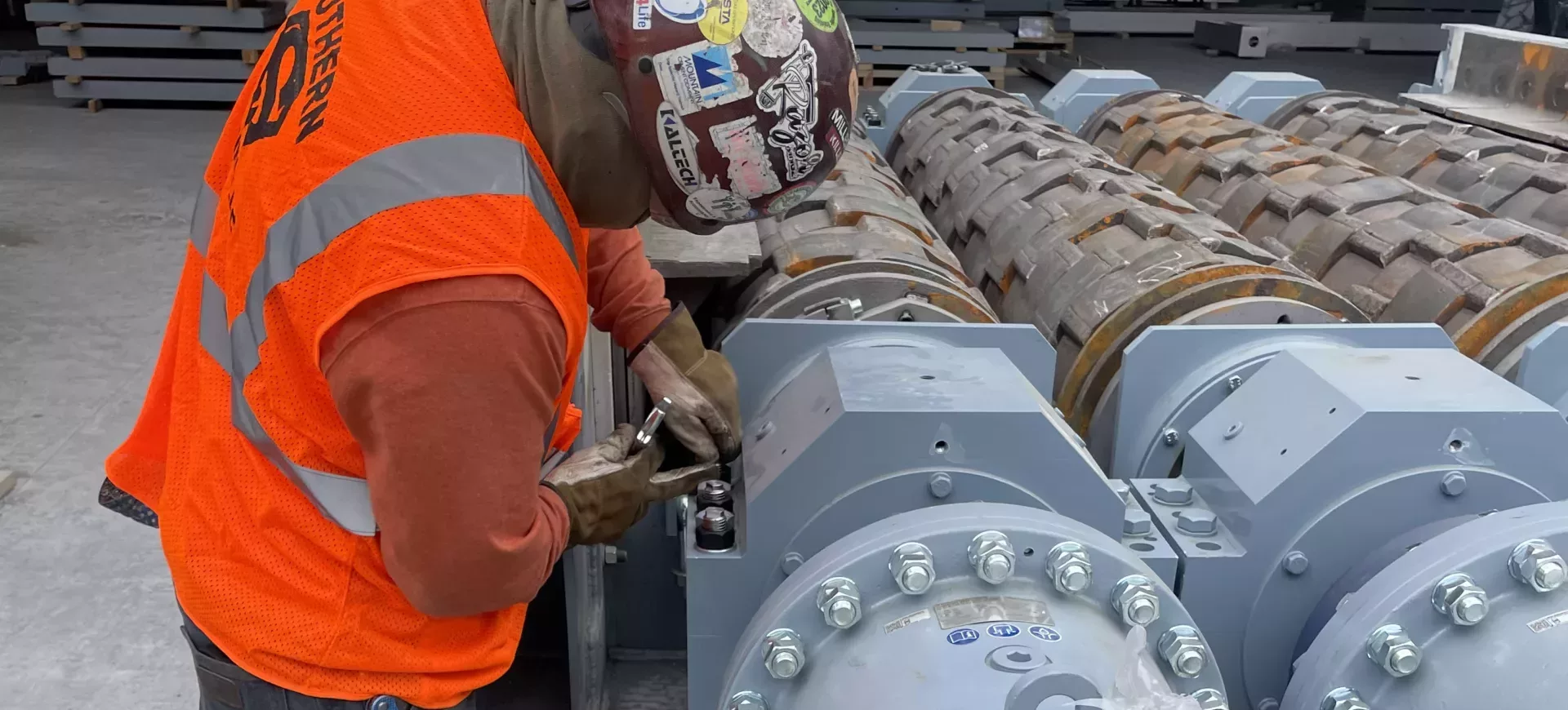
That’s why many heavy industrial facilities rely on teams like Southern Welding for weld builds, field repairs, upgrades, and mechanical support. Experienced crews reduce downtime, eliminate rework, and help extend the life of critical assets.
Weld wear and material fatigue are inevitable in heavy industry, but unexpected failure doesn’t have to be. With the right inspection routines, a clear understanding of fatigue indicators, and well-planned repair cycles, maintenance managers can keep their operations running safely and efficiently.
The key is catching issues early and partnering with professionals who understand your equipment, your environment, and your uptime priorities.